A Guide to Your Recordings
Sample Demo

Your Question
Random!
Each participating author will be presented with a randomized question designed to pique interest in a currently published book
Each answer should be 3–5 minutes maximum — concise, conversational, and full of personality.
We highly recommend watching your question and taking some time to think about your response, but try not to overthink it. Spontaneous, candid answers tend to be the most engaging.
Recording Tips:
Film in a quiet, well-lit space.
Use your phone or webcam at eye level.
Avoid backlighting if possible. If you're using natural light, make sure the window or light source is in front of you.
Check the sound before recording the full take. Viewers will forgive visual quality easily, but they will not forgive poor audio!
Wear solid colors; avoid bright white or busy patterns.
Save your files as MP4 and upload via the link provided either on the video prompt page or the bonus video prompt page. You can also find the page here: Author Spotlight Submission Form
Tips for Great Responses:
Lead with emotion. An honest, visible reaction can increase your connection with viewers.
Answer the question truthfully and, even if not prompted, you're encouraged to mention a scene, a moment, or a memory that illustrates your point.
Close with connection. End with something readers can feel or relate to.
“That’s why I always write about found families — because I think we’re all still looking for ours.”
Smile and pause. A few beats of quiet between thoughts may feel awkward, but it makes editing (and listening) much smoother.
Keep it natural. You don’t need a script but it is a good idea to plan out your responses before hitting record to avoid rambling and make sure you stay on track.
Please do keep your answers PG. We aren't trying to censor you, but these will be available on YouTube and other social sharing platforms and keeping it family friendly provides the best opportunity for views and distribution.
Your Book Details and Author Bio
After getting hooked by your Q&A, potential readers will need to know how to follow you and find your book, so we always want to include a short follow up with your book details and author bio. Try to keep it within 2 - 3 minutes.
Introduce Yourself and Your Book
Mention your author name and book title.
About Your Book
State the genre and category (age group, fiction or non-fiction), and then follow with a one or two sentence hook. Wrap up with one or two comps. We have some more focused tips for writing Hooks and finding your ideal comps below.
Where to Find Your Work
Tell viewers exactly where to buy or download your book. Links will be on the page, but be sure they can find you where your book is selling.
Closing
Thank the viewers for spending time with you and remind them of your link one last time. Smile. It’s contagious, even through the screen. Hold your pose or wave for a few seconds longer than feels comfortable to allow for a slight fade out.
Sample Discussion Questions
"Question"
Author Bio & Links
"Question"
Author Bio & Links
"Question"
Author Bio & Links
Extra Help: Hooks
A great hook gives readers a reason to lean in. Think of it as a one-sentence spotlight on what makes your story impossible to ignore: the tension, the promise, the "oooh" moment. If you’re not sure where to start, the formulas below will walk you through nine different ways to frame your book in a way that feels clear, compelling, and adaptable to your voice. Pick the one that fits your story best, fill in the pieces, and let the heart of your book shine through.
You’ll notice that the examples below use well-known, traditionally published books. That’s intentional — not because trad books do hooks better, but because there’s a higher chance you’ll recognize them instantly and see the structure at work. These same hook formulas work just as effectively for indie-published books across every genre and subgenre.
You’ll also see links to these books if you’re curious to explore them further. Those links go through Bookshop.org, which we’ve chosen intentionally because they put the public good ahead of pure profit, and over 80% of their profit margin goes directly to independent bookstores, supporting more than 2,500 shops along the way. If you do click through, The Bookshelf may also earn a small commission, but it will be at no extra cost to you — just a few extra twigs to help keep the Beaver dam sturdy.
The World in Motion Hook
Best for fantasy, sci-fi, speculative, dystopian, magical realism — any story where setting and rules matter.
When a world with [distinct rule, threat, or wonder] forces [protagonist] to confront [immediate danger or shift], they must [critical action] before [world−level consequence] reshapes everything they know.
When a brutal dragon-rider academy where only the strongest survive forces a physically fragile cadet into lethal trials, she must out-think warriors, dragons, and the school itself before the mountain claims her life. (Fourth Wing)
When a universe-threatening cosmic organism begins extinguishing stars, an amnesiac scientist must rediscover who he is and solve an impossible scientific puzzle before humanity’s sun goes dark. (Project Hail Mary)
When a magical library between life and death allows a woman to try every version of the life she never lived, she must decide which regrets truly matter before the chance to live at all disappears. (The Midnight Library)
The Favorite Trope Hook
This type of Hook statement works best for romance, romantasy, cozy mystery, and other genre fiction where readers choose books based on tropes, tone, and emotional payoff.
When [trope-driven setup] brings together [character archetypes], their [dynamic or constraint] leads to [emotional or situational payoff], delivering a story full of [tone promise].
When a fake-dating arrangement brings together a guarded PhD student and a grumpy, emotionally unavailable professor, their forced proximity turns academic convenience into unexpected intimacy, delivering a smart, swoony romance full of banter, tension, and slow-burn payoff. (The Love Hypothesis)
When a battle-weary orc warrior abandons adventuring to open a coffee shop, her unlikely partnership with found-family misfits transforms low-stakes dreams into quiet courage, delivering a cozy fantasy full of warmth, comfort, and gentle hope. (Legends & Lattes)
When a rule-bound caseworker is sent to evaluate a home for magical children, his growing connection with its found family challenges everything he believes about duty and belonging, delivering a tender fantasy filled with kindness, healing, and joy. (The House in the Cerulean Sea)
The Series Addiction Hook
Works perfectly for fantasy, sci-fi, mystery, LitRPG, and other series-driven fiction where readers are looking for immersive worlds, recurring characters, and a story that keeps them clicking “next book.”
In a world where [ongoing problem or threat], [protagonist] must [repeatable role or mission], uncovering [escalating mystery or power] that will change [series-level outcome].
In a world turned into a lethal, televised dungeon crawl, an unwilling contestant must survive increasingly brutal levels, uncovering a system designed to profit from humanity’s extinction and reshape what survival even means. (Dungeon Crawler Carl)
In a modern city where supernatural threats lurk behind everyday life, a wizard-for-hire repeatedly investigates crimes the police can’t touch, uncovering escalating magical wars that threaten both the mortal and supernatural worlds. (The Dresden Files)
In a future where corporations control space exploration and human life is expendable, a self-hacking security android repeatedly protects missions it wants no emotional responsibility for, uncovering systemic corruption and growing autonomy that will redefine what it means to be human over time. (The Murderbot Diaries)
The Countdown Hook
Ideal for high-concept, thrillers, mysteries, and plot-forward novels.
When [protagonist] faces [inciting incident], they have [ticking element or escalating pressure ticking element] to [core task], or else [devastating consequence] will unfold.
When a brutal killing disrupts a quiet retirement community, four amateur sleuths have limited time before the police shut them out to uncover the truth, or the real killer will strike again. (The Thursday Murder Club)
When a disgraced student is assigned to mentor a doomed tribute in the Hunger Games, he has the duration of the Games to secure his future, or he’ll fall into poverty and obscurity forever. (The Ballad of Songbirds and Snakes)
When a socially awkward hotel maid discovers a wealthy guest dead in his room, she has only hours before suspicion closes in to clear her name, or she’ll be convicted of a murder she didn’t commit. (The Maid)
The Fault-Line Character Hook
Perfect for character-driven fiction, upmarket, literary, book club, women’s fiction, YA, and contemporary.
A [flawed or distinctive protagonist] trying to [deep emotional want] is pushed into [uncomfortable catalyst], forcing them to confront [internal wound or belief] before it destroys [relationship, opportunity, identity, or future].
A bitter, insecure writer trying to claim the success she believes she deserves embraces a lie that spirals out of control, forcing her to confront her own entitlement and racism before it obliterates her career and identity. (Yellowface)
Two brilliant, emotionally guarded friends trying to build something that gives their lives meaning are pushed into fame, failure, and lifelong collaboration, forcing them to confront ambition, resentment, and the limits of love before their bond fractures under its own weight. (Tomorrow, and Tomorrow, and Tomorrow)
A brilliant, uncompromising scientist trying to live on her own terms is pushed into the spotlight by an unexpected platform, forcing her to confront grief and sexism before they erase her voice entirely. (Lessons in Chemistry)
The Collision Hook
The strongest relationship-driven hook — great for romance, friendship stories, rivalries, family sagas, mentor/student, enemies-to-lovers, dual POV fiction.
When [character with strong trait or need] collides with [opposing or complementary character], their [shared conflict or spark] propels them into [central dilemma] that will test [value, bond, identity, or loyalty].
When a rule-bound British prince collides with a rebellious American politician’s son, their public rivalry ignites a secret attraction, propelling them into a forbidden relationship that will test loyalty, identity, and duty on a global stage. (Red, White, and Royal Blue)
When a socially powerful boy hiding deep insecurity collides with a brilliant, isolated girl marked by class and family wounds, their secret connection propels them into years of intimacy and separation that will test self-worth, power, and what it means to truly be known. (Normal People)
When a determined woman seeking stability collides with a charismatic man carrying unresolved trauma, their intense relationship propels her into a dilemma that will test her understanding of love, boundaries, and self-preservation. (It Ends With Us)
The Mirror Hook
A theme-driven hook anchored by a single emotional or moral question — perfect for book club fiction, literary, upmarket, and issue-driven stories.
When [protagonist] is confronted with [moral, emotional, or societal dilemma], they must decide whether to [action that tests their core value], exposing the truth about [theme or universal question].
When a mother is confronted with unbearable loss, she must decide how to continue living in the aftermath, exposing the ways grief reshapes love, memory, and legacy. (Hamnet)
When a woman who has remade herself by passing as white is confronted with the family and history she left behind, she must decide whether to protect the life she’s built or face the truth, exposing the lasting cost of denial, identity, and belonging. (The Vanishing Half)
When a boy growing up in systemic poverty is confronted with the limits placed on his future, he must decide whether survival is enough, exposing how class, neglect, and resilience shape a life. (Demon Copperhead)
The Authority/Transformation Hook
For non-fiction authors, this hook works best when you can clearly name the problem your reader already knows they have — and the change they want to see.
When [reader’s pain point or frustration] keeps getting in the way of [desired outcome], this book shows how to [clear, specific solution or framework], helping readers finally [transformation or result].
When good intentions keep collapsing under inconsistency, this book shows how small, repeatable habit changes compound over time, helping readers build lasting routines that actually stick. (Atomic Habits)
When smart financial decisions are undermined by emotion and habit, this book shows how understanding human behavior leads to better money choices, helping readers build wealth more sustainably. (The Psychology of Money)
When other people’s opinions, expectations, and behavior create stress and self-doubt, this book introduces a simple mindset shift — letting them — that helps readers reclaim control, reduce anxiety, and focus on what actually matters. (The Let Them Theory)
The Lived Experience Hook
Perfect for narrative non-fiction like memoirs, essay collections, survival stories, etc, this type of hook focuses less on what happened and more on what the experience ultimately reveals.
When [author/protagonist] is forced to confront [life-altering event or ongoing struggle], they must [emotional or moral choice], revealing a deeper truth about [universal theme readers relate to].
When a woman loses her mother to cancer, she must navigate grief through food, memory, and cultural inheritance, revealing how love and identity persist even after loss. (Crying in H Mart)
When a woman raised outside the formal education system pursues learning against her family’s beliefs, she must choose between loyalty and self-definition, revealing the cost of independence and truth. (Educated)
When a former child star confronts the damaging control of her mother, she must untangle love from harm, revealing uncomfortable truths about consent, ambition, and survival. (I'm Glad My Mom Died)
The World in Motion Hook
Best for fantasy, sci-fi, speculative, dystopian, magical realism — any story where setting and rules matter.
When a world with [distinct rule, threat, or wonder] forces [protagonist] to confront [immediate danger or shift], they must [critical action] before [world−level consequence] reshapes everything they know.
When a world with [distinct rule, threat, or wonder] forces [protagonist] to confront [immediate danger or shift], they must [critical action] before [world−level consequence] reshapes everything they know.
Sample Live Q&A Segment
Extra Help: Comps
Comparable titles — or “comps” — aren’t about proving your book is the same as something else. They’re about giving readers (and you!) a quick, intuitive sense of your story’s vibe, audience, and place on the shelf. Strong comps help you talk about your book with clarity: they hint at tone, pace, themes, or emotional experience rather than matching plot point for plot point. Below are a few simple ways to find solid comps and put them to work so your perfect reader understands exactly where your story belongs.
How to Find the Right Comps:
Look for books with the same emotional promise
If your novel explores grief, reinvention, survival, sisterhood, or obsession, look for stories that deliver a similar feeling, not a similar plot.
Search by tone before genre
You'll talk about your genre and category separately, so expand your explanation by focusing on the tone or style of voice — cozy, gritty, atmospheric, whimsical, slow-burn, propulsive, etc.
Pair TWO unique story signals
Make your comps work twice as hard by choosing titles that highlight different strengths. Think of it like giving readers two coordinates: one comp that captures your tone or atmosphere, and another that reflects your pacing, themes, voice, or emotional focus. Together, they communicate a fuller sense of what readers can expect in a single, efficient line.Check the “Readers Also Bought” sections
If you have one idea, search it on Amazon, Goodreads, StoryGraph, etc. and then scroll down and to see what else they're feeding about related purchases.
Popular, Recent, Cross-Media
You're not pitching a literary agent or publishing house, so the rules you'll find on getting the right comps aren't quite the same here. I don't recommend you compare your writing style to another author, but you can compare the type of story, tone, or voice to another book. For our purposes, you want to appeal to readers and what they may have finished (and loved) within their last few read books. You can also mention movies or tv shows, if they fit! The entire goal is to set expectations of the type of story you are sharing, and the type of reader it's perfect for.
How to Use Your Comps
Knowing your comps is one thing. Knowing how to apply them is the magic. Experiment with the following formulas until you find your story's perfect fit:
[Book title] lives where [Comp A] meets [Comp B].
[Book title] is for readers who loved the [trope/theme/characters] of [Comp A] but wanted the [pacing/atmosphere/tone] of [Comp B].
For readers of [Comp A] and [Comp B], this story blends [tone] with [premise/character/theme].
Meet Your Host
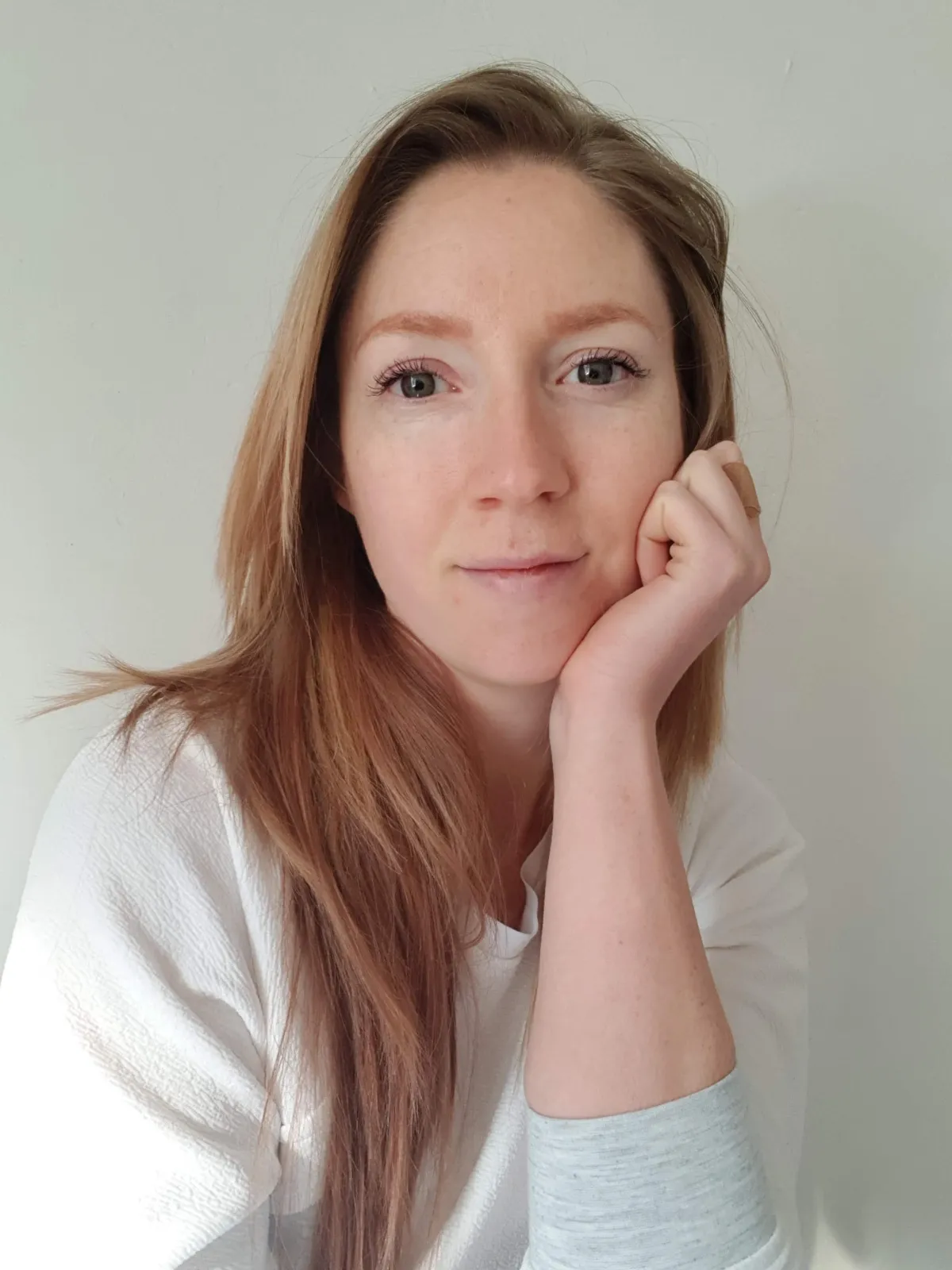
Hi, I’m Monique Danielle, and it’s so nice to “meet” you!
I’m a lifelong reader, writer, and unabashed book nerd who somehow turned that obsession into a career. As CMO at The Bookshelf, I help authors build real connections with readers and create sustainable, story-driven businesses.
With years of experience in sales and marketing across multiple industries, I’ve learned that the best stories don’t just deserve to be told—they deserve to be found. My mission is to make that happen, one author, one reader, and one book tour at a time.
Brought To You By
@ 2026 Virtual Book Tour is curated by The Bookshelf